I
Computational Molecular Design
- Computer-aided drug design
- AI for drug development
The lab's five research pillars and representative work. The full record lives under Publications.
P-glycoprotein (P-gp), a key member of the ATP-binding cassette (ABC) transporter family, plays a significant role in drug absorption and distribution by binding to diverse xenobiotics and actively transporting them out of cells. Given P-gp’s widespread expression, including its critical presence at the blood–brain barrier, identifying whether a compound functions as a P-gp substrate or inhibitor is essential in drug development to evaluate its ability to penetrate the central nervous system.
Publisher →This study entailed a comprehensive GC-MS analysis conducted on 121 patient samples to generate a clinical breathomics dataset. Breath molecules, indicative of diverse conditions such as psychological and pathological states and the microbiome, were of particular interest due to their non-invasive nature.
Publisher →Detecting PFAS is challenging due to their diverse chemical structures, lack of standards, complex sample matrices, and the need for sensitive equipment to measure trace levels. Background contamination and the sheer number of PFAS further hinder the development of a universal detection method.
Publisher →Quantum computing is at the forefront of technological advancement and has the potential to revolutionize various fields, including quantum chemistry. Choosing an appropriate quantum programming language becomes critical as quantum education and research increase.
Publisher →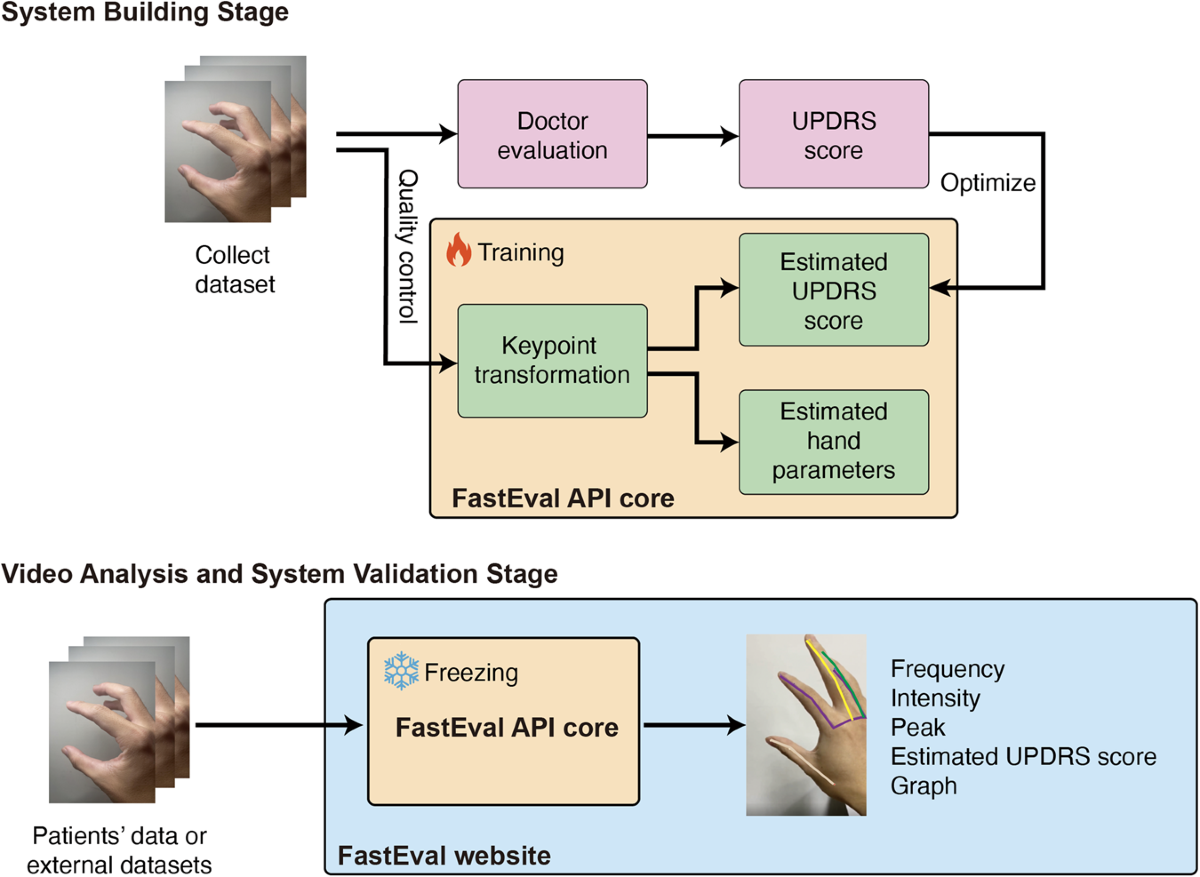
The Motor Disorder Society’s Unified Parkinson’s Disease Rating Scale (MDS-UPDRS) is designed to assess bradykinesia, the cardinal symptoms of Parkinson’s disease (PD). However, it cannot capture the all-day variability of bradykinesia outside the clinical environment.
Publisher →Traditional assessments of schizophrenia’s negative symptoms rely on subjective and time- consuming psychiatric interviews. To provide more objective and efficient evaluations, this study examines the efficacy of an automated system utilizing generative AI (GenAI) and machine learning (ML) to assess negative symptoms of schizophrenia, including expression (EXP) and motivation and pleasure (MAP) domains.
Publisher →